
Abstract reviewing
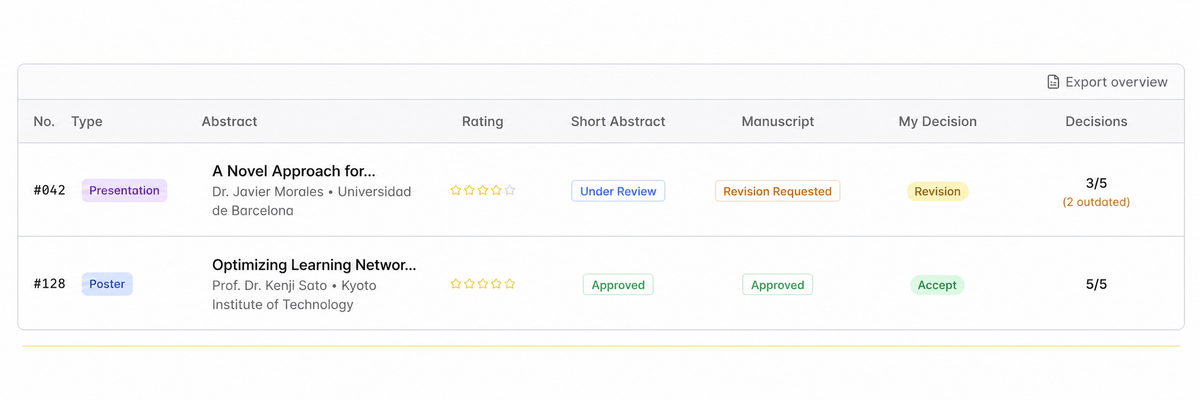
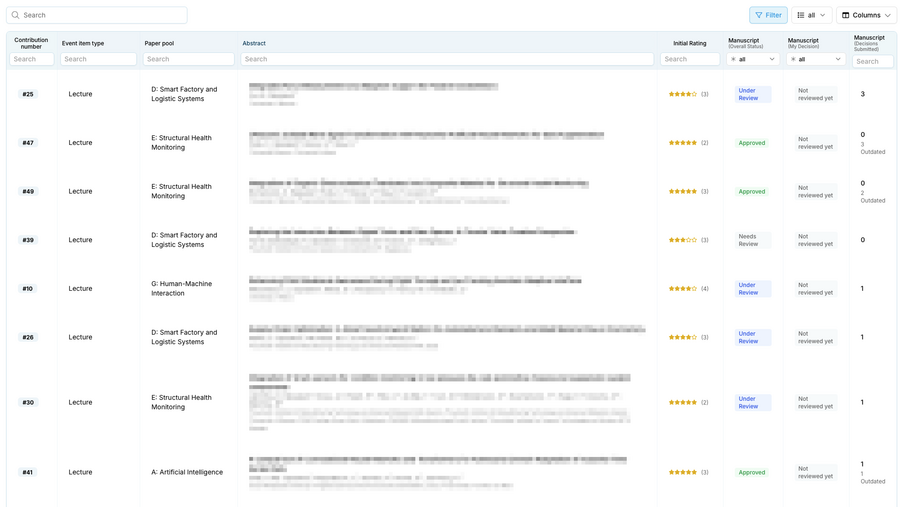
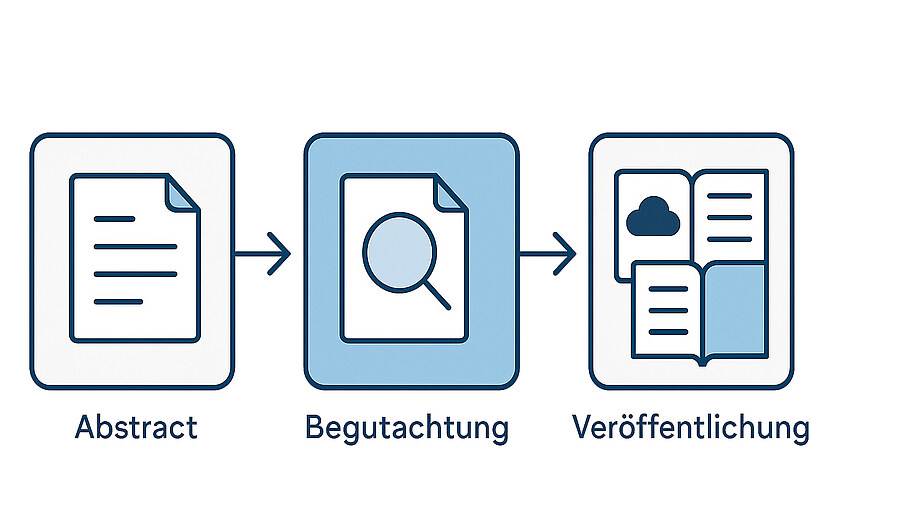
The review portal distributes contributions to the assigned reviewers. Assessment criteria, deadlines, comments and files are stored alongside each contribution. Program organizers then decide whether to accept, request revisions or reject it.
How abstract reviewing works
Criteria and responsibilities
Process assessments
Take the decision forward
The review process
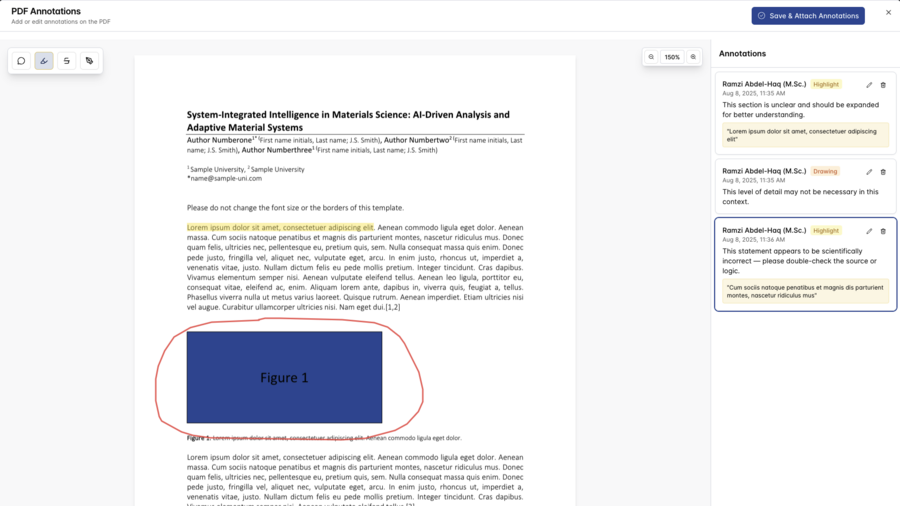
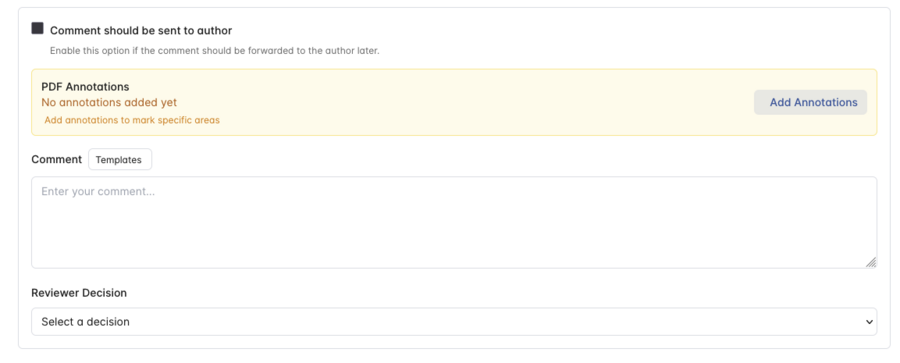
Reviewers mark passages and leave comments in the PDF editor. Internal notes can be kept separate from feedback for authors.
Intuitive submission platform
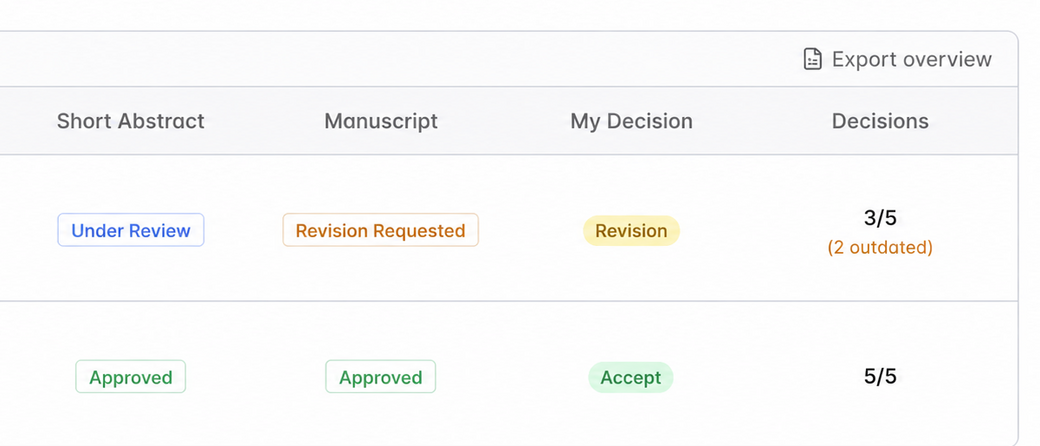
Each submission is assessed by several reviewers. Individual decisions, such as accepted, revision required or rejected, can be recorded for each submission along with comments. Assessments are collected and structured to support an informed overall decision.
PDF comments in the integrated editor
The integrated editor lets reviewers add comments and annotations directly to PDF documents, making it suitable for reviewing manuscripts or posters. All feedback is collected centrally and provided to submitters together, in a clear, traceable form that supports revisions.
A range of uses
The module supports reviewing abstracts before an event and assessing extensive content afterwards, for example when creating conference proceedings or digital archives. Review outcomes can be used for digital publications and printed formats, such as scientific manuscript collections, booklets or conference publications.
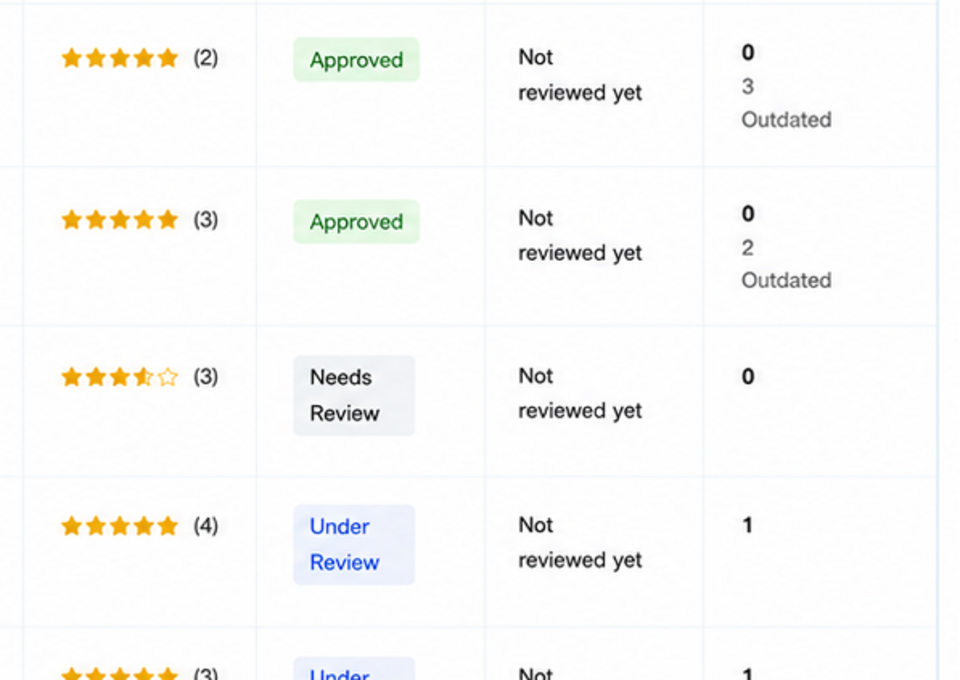
Overview and automated communication
Track assessment progress: the system shows the status of all reviews, open tasks and final decisions at any time. Automated notifications inform authors about acceptance, requested revisions or rejection, with professional communication that saves time.
Assign, assess and decide on abstracts
Assessment criteria, assigned reviewers, files and comments appear alongside each contribution. Program organizers make the final decision there.
Criteria and responsibilities
Assessment criteria, deadlines and assigned reviewers are defined in advance.
Process assessments
Scores, comments, files and any revisions remain visible with the contribution.
Hand over the decision
Program managers review the results and control subsequent assignments.